

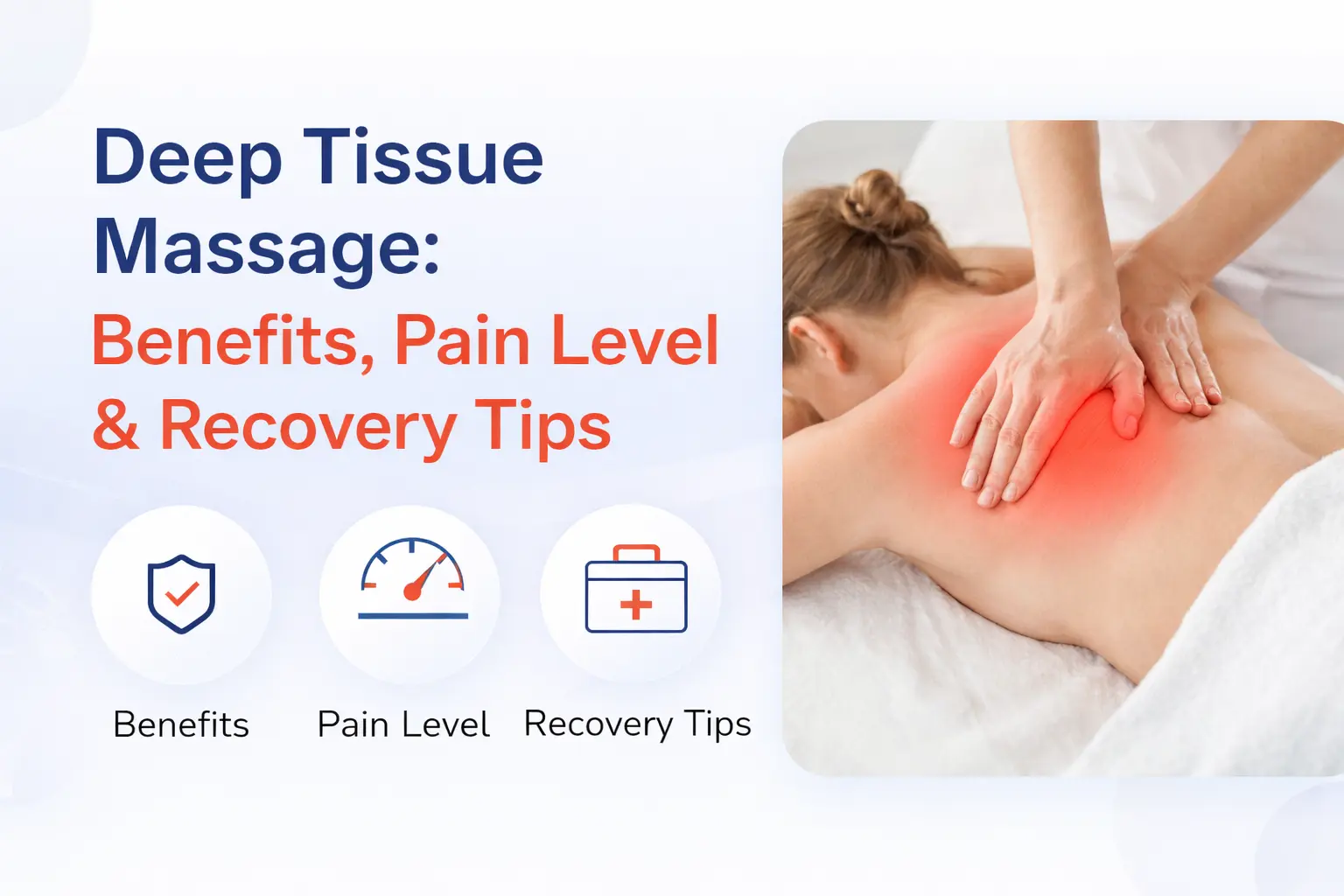
Ever had that lingering backache, tight shoulder after too many hours on your laptop or the “knot” in your calf post-run? Then a deep tissue massage has probably been recommended to you. But a lot of people are also afraid: Will it hurt? Is it safe? How will I feel the next day? This article shares what deep tissue massage is, why bodywork that focuses on the deeper layers can be a welcome form of pain-relief or performance enhancement and how intense it feels. Simple recovery tips help you get the results you want without unnecessary trauma.
What Is Deep Tissue Massage?
It’s a type of massage that targets the deeper layers of muscle and connective tissue (fascia). Rather than the relaxing oil massage that effectively works on the surface, deep tissue uses slow strokes and firm pressure to get into your muscles and tendons to where tension is likely hiding for an extended amount of time — like your tight lower back muscles, stiff neck or sore hamstrings.
Therapists often work “across the grain” of the muscle, and are allowed to spend extra time on problem spots. It’s partly why deep tissue massage is commonly used for pain relief or for improving range of motion.
A quick, practical way to understand it:
- Swedish/relaxation massage: lighter pressure, mainly for calming and circulation
- Deep tissue massage: slower, firmer, more targeted—especially for tight bands and chronic muscle stiffness
Why Deep Tissue Massage Feels Different
When muscles remain tight for weeks or months, they can develop “tender points” (commonly known as knots or adhesions) and be unable to relax, according to Dr. Rich. Deep tissue work attempts to soften and elongate those tight areas, enhance movement and alleviate pain. It is frequently used for pain, such as low back pain, stiffness, tension and limited motion; but it can leave some soreness in its wake, notes WebMD.
So yes—deep tissue can feel intense, but intensity doesn’t have to mean “unbearable pain”. A good therapist works with your body, not against it.
Benefits of Deep Tissue Massage (Including Pain Relief)

Now let’s delve into the good stuff people really want to know about: the benefits of deep tissue, particularly when it comes to aches and tightness.
1) Deep Tissue Massage For Aches and Pains (muscular pain)
A popular reason people book a session is deep tissue massage for pain relief—especially when pain is associated with muscle tightness, posture strain or overuse (hello, gym-worriers, long drivers, desk-sitters-standing-workers). The moderate, sustained pressure could shift muscle tension and release over time.
If your pain is chronic, however, it’s still a good idea to rule out any underlying medical causes first: Massage is supportive care, not a diagnosis.
2) Better mobility and flexibility
As those tight muscles start to relax, you may feel an improved range of motion, so it’s easier to turn your head or pick up the dropped toy on the floor without twisting and contorting. Deep tissue is often written up as beneficial for increasing movement when stiffness is the primary concern, which makes you wonder why everyone doesn’t want to book in.
3) Less flexibility from a monotonous way of life
In India, in particular, a lot of us have a “double load”—desk work plus long commutes plus phone time. Common patterns of tightness can benefit from deep tissue work:
- tight upper back and shoulders
- neck tension and headaches linked to muscle tightness
- lower back stiffness from sitting too long
This is a practical, everyday health benefit of deep tissue for people who feel “stuck” in the body.
4) Sports recovery support (when done correctly)
Deep tissue massage has been adopted by athletes, people who work out often — perhaps to such a degree that it could be considered a form of training — and their coaches, says Robin Tricola, founder of The Sanctuary Spa and author of “Refresh.” It is not a magic fix, but it can be performed alongside stretching and strength work — along with restful sleep.
5) Stress relief, better sleep, and feeling “lighter”
Although deep tissue massage resembles more of a therapeutic treatment than a feel-good, relaxing spa day experience, some people may still feel calm and relaxed after the massage. Massage is commonly performed for well-being and relaxation in integrative medicine.
6) Possible additional health benefits (with realistic expectations)
Some of the articles I’ve come across include things like improved circulation and general wellness effects. None of these claims can be said to definitively provide a health benefit – “may help” is always the range. If you have a focus (let’s say you want to feel better in your body or decrease chronic back pain) — what works best often involves massage as well as specific exercises and ergonomics.
Does Deep Tissue Massage Hurt? Understanding Pain Level
Big question: does deep tissue massage hurt?
A deep tissue massage can be intense; however, it works to relieve the tension in sore muscles and rejuvenates energy, and can even feel like “good agony” when the masseuse is focusing on a knot. But it shouldn’t be sharp or scream-provoking, or force you to hold your breath either.
Some therapists liken it to lingering at a moderate level of discomfort rather than acute pain and say that clear communication is crucial.
What “normal discomfort” may feel like
- a strong, stretching pressure
- tenderness on knots
- a “hurts-so-good” feeling that eases as you exhale
What’s not normal
- sharp, stabbing pain
- numbness or tingling during the session
- pain that makes you tense up or pull away
- heavy bruising or worsening pain after every session
If it’s too much, say it clearly: “Please reduce pressure.” A good therapist will adjust.
What to Expect After a Deep Tissue Massage
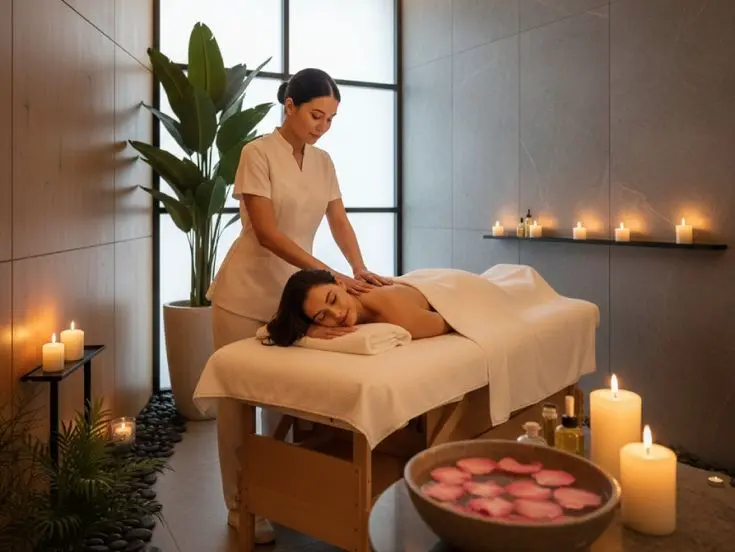
Many people feel relaxed immediately after, but it’s also common to feel:
- mild soreness (similar to post-workout soreness)
- tenderness in worked areas
- a bit of fatigue, especially if it was your first session
WebMD notes soreness can happen and doesn’t automatically mean the massage “didn’t work.”
How long does soreness last?
So why are we sore? Most of the time, it’s just mild and disappears in a day or two. Some sources have post-massage soreness peaking at about 24 hours and improving within 24–48 hours.
If pain is very strong or increasing, or persists beyond a few days, take it as a warning and consider consulting with a doctor.
Drink water throughout the day. Hydrating aids the circulation, and enables your body to recover normally following any vigorous bodywork. Many aftercare instructions suggest this simple rinse.
Recovery Tips After Deep Tissue Massage (Simple and Practical)
Good aftercare can go a long way.” Here are some simple recovery tips, which also fit Indian routines.
Hydrate well, but don’t overdo it
Drink water throughout the day. Hydration facilitates circulation and supports your body in its natural recovery process following any strenuous body work. That’s basic aftercare stuff lots of instructions suggest.
Eat light, balanced meals
A regular home meal of protein and vegetables is fine. If you’re feeling somewhat depleted, don’t wait to eat.
Gentle movement helps
A slow walk, gentle stretches or easy yoga can prevent muscles from tightening all over again. Skip the hardcore stretching for now — comfortable is best.
Use heat or a warm bath if you feel tight
A hot shower or hot water bottle can be comforting for aches and stiffness. If a spot feels inflamed or especially tender, some people like to apply an ice pack briefly. Do what seems reasonable to your own body.
Avoid heavy gym or intense activity for 24 hours (if you’re sore)
If you’re feeling good, normal activity is fine. But if the session was hard-core, Spandau says to give your body a little break so the muscles have time to cool down.
Sleep early if possible
Massage in combination with good sleep is highly effective for recovery.
Who Should Avoid Deep Tissue Massage? Safety First
Deep tissue massage is not ideal for everyone all of the time. Don’t do it if you have a health condition in which an undiscovered bundle of malfunctioning nerves or muscles can be squished by the extra pressure of an LMT adding to otherwise stressful conditions — bad clients, poor hygiene environments, inadequate room temperature etc.
Be extra careful if you have:
- suspected or known blood clots / DVT
- fever or active infection
- recent surgery or unhealed wounds
- severe osteoporosis or fragile bones
- bleeding disorders / low platelets
- you’re on blood thinners (risk of bruising/bleeding can be higher with deep pressure)
If you are pregnant, recovering from a serious illness or on cancer treatment, you should talk to your doctor and seek out therapists who have relevant training (often in modified forms of bodywork).
How to Get the Best Results From Deep Tissue Massage
In order to enjoy the benefits of deep tissue, which will remove your pain forever if done repeatedly (pictured above), think of it as the process that it is.
To truly experience the benefits of deep tissue, think of it as a process, not a one-time event.
Before your session:
- Tell your therapist where you have pain, how long you’ve had it, and what kind of work you do.
- Mention any injuries, surgeries, medications (especially blood thinners), or medical conditions.
During the session:
- Breathe slowly. If you hold your breath, pressure will feel more painful.
- Give feedback in real time. “Slightly less pressure” is totally normal to say.
After the session:
- Follow the recovery tips above.
- Note how you feel for the next 24–48 hours. That helps you and your therapist plan the next session better.
Final Takeaway
Deep Tissue Massage: This concentrated, harder pressure addresses muscles and fascial layers. The benefits of deep tissue for many people include greater range of motion, freedom from pain and stiffness, better movement and a return to self.” — especially when the culprit is tight muscles. It can be unsettling, but it shouldn’t be alarming. And yet, with good communication, an expert therapist and a few common sense recovery habits (water, light movement and rest), you can enjoy deep tissue without experiencing too much pain.